Meme coin trading in 2026 explained through a top trader's live session
Want articles like this for your own video to promote it on YouTube and Google? Order them through the Telegram bot @sat_sit_bot. Articles with your video embedded are written and posted by the bot itself — on popular topical sites (no ads). Your first 50 articles are free.
· based on the channel Ethan Prosper
Key takeaways
- A recorded live session between Ethan Prosper and a ranked Solana meme coin trader produced roughly 350+ SOL in reported gains across a handful of trades.
- Trades covered included Lobo, a 1% allocation, Cheese Coin, an Elon/Grok-themed bot coin (+$15K), a Magic Internet Money dev play and Mosaic AI (+80 SOL).
- The traders used fast Solana terminals and tracked dev wallets and social momentum rather than long-term fundamentals.
- Commenters flagged multi-wallet sniping and 10+ hour screen time as the real cost behind these results.
- Most viewers do not need this style: larger caps and slower setups carry far less execution risk.
A meme coin is a crypto token whose value comes almost entirely from community attention, humor and momentum rather than cash flow or product revenue. In practice, trading meme coins means buying early on-chain liquidity, managing size aggressively and exiting before attention rotates — the style shown in Ethan Prosper's session with a ranked Solana meme coin trader, which you can follow along with using the Padre trading terminal.
What the session actually showed
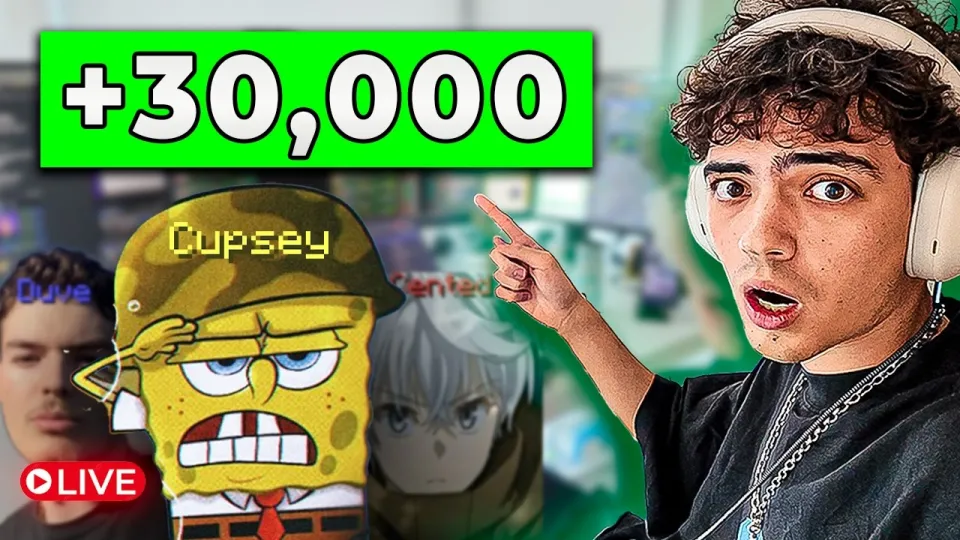
The video is a recorded live trading block on Solana, not a lecture, and the numbers are the point. Across the session the pair worked through a short list of launches: Lobo and a 1% position that reportedly returned around 200 SOL, Cheese Coin, an Elon Musk/Grok-themed bot coin that added roughly $15,000, a Magic Internet Money dev play, and Mosaic AI, which closed around 80 SOL. The channel framed the total at 350+ SOL, a figure viewers immediately picked up on.
Three things stand out about how those trades were structured:
- Speed over analysis. Entries were decided in seconds on new pairs, with the thesis being flow and narrative rather than tokenomics.
- Concentration. Position sizes were large relative to a typical retail bankroll, which is why a handful of trades produced four-figure dollar results.
- Exit discipline. The session is a series of closed trades, not a buy-and-hold portfolio; each position had a plan to get out.
That combination is what separates a professional meme coin desk from someone aping their first pump.fun launch.
Why Solana and pump.fun dominate meme coin flow
Solana became the default venue for meme coins because launch costs are near zero and confirmation times are short. Platforms like pump.fun let anyone mint a token in minutes with a bonding curve that bootstraps liquidity automatically, and terminals such as Axiom, BullX, Photon and Padre compete on execution speed, charting and wallet-tracking features.
That infrastructure has a side effect: supply of new tokens is effectively unlimited. Thousands of pairs appear daily, and the vast majority never reach meaningful liquidity. The trader's edge in the video is not picking winners from a list — it is filtering an endless stream down to the few names where attention and volume are already accelerating, then acting before the crowd.
For anyone learning the niche, the practical implication is that tools matter less than the filter. A fast terminal only helps if you already know which launches deserve a position.
Position sizing and the real risk behind 350 SOL
The headline number hides the bankroll required to produce it. A trader risking 1% of a portfolio per trade and generating 200 SOL on a single name is working with capital most viewers do not have, and the same sizing logic means a string of losses can be equally large.
Meme coin risk is structural, not incidental:
- Rug risk. Dev wallets can dump on holders; the session's Magic Internet Money segment is a reminder that developer behavior is a tradable signal, not a guarantee.
- Slippage and fees. Thin liquidity means a large order moves the price against you on both entry and exit.
- Sniping and multi-wallet plays. Coordinated wallets can buy the same launch from many addresses, which is exactly the concern raised in the comments under the video.
- Time cost. The traders in the session are full-time screen watchers; several viewers noted the 10+ hour days this style demands.
A realistic approach for a retail participant is to cap any single meme coin position at an amount that can go to zero without changing their financial situation, and to treat every new pair as a lottery ticket with a plan, not an investment.
How to evaluate a new meme coin launch
Evaluating a meme coin means answering a short checklist before any capital moves. The sequence below reflects what professional Solana traders screen for on a new pair:
- Contract and dev history. Check whether the developer wallet has launched and abandoned tokens before; a clean or well-known dev is a signal, a serial rugger is a warning.
- Holder distribution. A small number of wallets holding a large share of supply creates exit risk; look at top holders and whether they are fresh wallets.
- Liquidity and volume. Rising volume with growing liquidity suggests real participation rather than a single buyer.
- Narrative strength. Coins tied to a live cultural moment — an Elon Musk post, an AI agent, a running joke — attract the flow that sustains a move.
- Social velocity. Mentions on X and Telegram channels growing faster than price is often the earliest signal.
None of these checks eliminate risk, but together they filter out the majority of launches that never get past the bonding curve.
Common questions traders ask after watching
Viewers of the session raised several recurring doubts that are worth addressing directly.
"Is this repeatable?" The mechanics are repeatable; the results are not. The same process applied on a different day can produce a string of losses, because outcomes depend on which narratives catch fire.
"Do I need to trade this fast?" No. The commenters who pointed out that this is the most difficult style available were right — slower strategies on larger, more liquid coins exist and carry lower execution risk.
"What are faucets?" In this context the term refers to small, low-cost sources of tokens or test funds that traders use to seed wallets and keep experimenting without committing serious capital.
"Can I copy these wallets?" Copy-trading tools exist and the video's description links the traders' public addresses, but copying entries without their exit timing typically produces worse results than the original.
Useful links
- Padre trading terminal — the terminal used in the session, with registration through the link.
- https://ethanprosper.com — the creator's hub for all links and resources.
- https://x.com/cupseyy — the guest trader's X profile.
- https://discord.gg/solmafia — the free SOLMAFIA Discord community.
- https://www.joinpastel.com/r/ref=ETHAN — the paid Pastel Discord.
Final thoughts
The session is a useful window into how professional meme coin traders operate on Solana: fast terminals, tight filters, large sizing and ruthless exits. It is also a reminder that the visible wins are the output of a full-time process with real drawdowns behind them. Most people are better served by treating meme coins as a small, speculative slice of a portfolio while learning the mechanics on liquid names first. Ethan Prosper's channel is the source of this breakdown, and the linked terminal is where the trades in the video were executed.
Questions & answers
What is a meme coin and why do traders buy them?
A meme coin is a token driven by community attention and narrative rather than revenue. Traders buy them because early entries on strong narratives can produce outsized percentage moves within hours, though the majority of launches fail and losses are common.
How much capital do you need to trade meme coins like the traders in the session?
The 350+ SOL result was produced with large position sizes, including a 1% allocation worth around 200 SOL. A retail trader can start with far less, but should size positions so that a total loss on any single coin does not affect their finances.
Is copy trading a top meme coin wallet a good strategy?
Copy trading can help you see what skilled wallets are buying, but it usually misses their exit timing and risk management. Many copied positions arrive after the price has already moved, so treat it as research rather than a strategy.
What tools are used for Solana meme coin trading?
Traders use fast terminals such as Padre, Axiom, BullX and Photon for execution and charting, plus wallet trackers and social feeds to spot narratives early. The terminal linked in the video, https://trade.padre.gg/rk/prosper, is the one used in the session.
Source: I Traded With The World’s #1 Memecoin Trader · Markdown version